I
Inspect the Sewer Line
A sewer camera shows the inside of the pipe: roots, cracks, offsets, low spots, buildup, corrosion, broken sections, and access conditions.
Learn more →Pipe lining can restore the inside of a damaged sewer line without replacing the entire pipe by open excavation. East Coast Pipelines provides cured-in-place pipe lining, also called CIPP, for sewer lines that are good candidates for trenchless repair.
Pipe lining is a trenchless sewer repair method that creates a new pipe surface inside the existing line, called the host pipe. After the line is inspected, cleaned, and prepared, a resin-saturated liner is installed through an access point such as a cleanout.
Once the liner cures, it forms a new interior wall inside the old pipe. This can help restore flow, seal certain defects, reduce root entry, and extend the usable life of the sewer line without digging up the full pipe run. It is commonly used for damaged laterals, aging clay pipe, deteriorated cast iron, and root-damaged joints when the pipe still has enough shape and structure to support a proper liner.
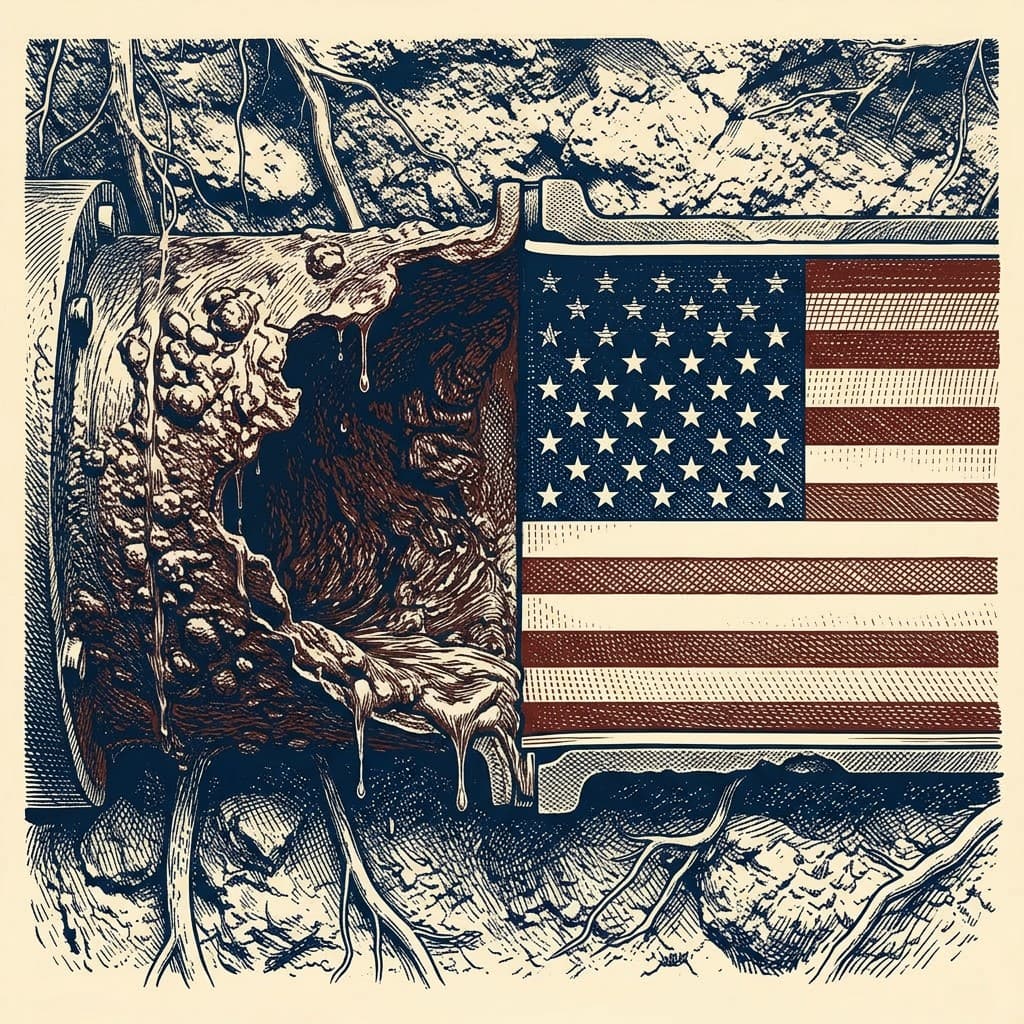
When inspection shows the right conditions and the pipe is a proper candidate, lining may be used for issues such as these.
The line must still be a proper candidate. Pipe lining depends on access, pipe shape, pipe condition, defect type, depth, diameter, cleaning results, and the ability to prepare the host pipe correctly.
A sewer backup does not automatically mean the pipe needs lining. The line may need cleaning, root removal, hydrojetting, or spot repair instead. Camera inspection helps separate a simple blockage from a structural sewer line problem. East Coast Pipelines starts there.
Pipe lining is not the answer for every sewer line. Some lines need excavation, some need a spot repair before lining, and some only need cleaning or hydrojetting and a second inspection before a repair decision can be made.
East Coast Pipelines explains these conditions before work moves forward. The repair should match the pipe condition.
Every job starts with understanding what is happening inside the line before lining is ever recommended.
A sewer camera shows the inside of the pipe: roots, cracks, offsets, low spots, buildup, corrosion, broken sections, and access conditions.
Learn more →Pipe locating identifies where the line runs and how deep it is for repair planning, access decisions, and lining setup.
Learn more →The existing pipe is cleaned before lining. Depending on condition, that may involve drain cleaning, root removal, or hydrojetting.
Learn more →When the pipe is a good candidate, a resin-saturated liner is installed through an access point and cured to form a new interior wall.
After the liner cures, the line is checked to confirm the installation and flow path so you understand what was repaired.
Learn more →See it before you approve it
You see inspection footage and understand the condition of the pipe before any repair decision is made.
drag to compare
When a sewer line is a good candidate, cured-in-place pipe lining forms a new structural wall inside the existing pipe. Camera inspection confirms whether lining, cleaning, or excavation is the right next step.
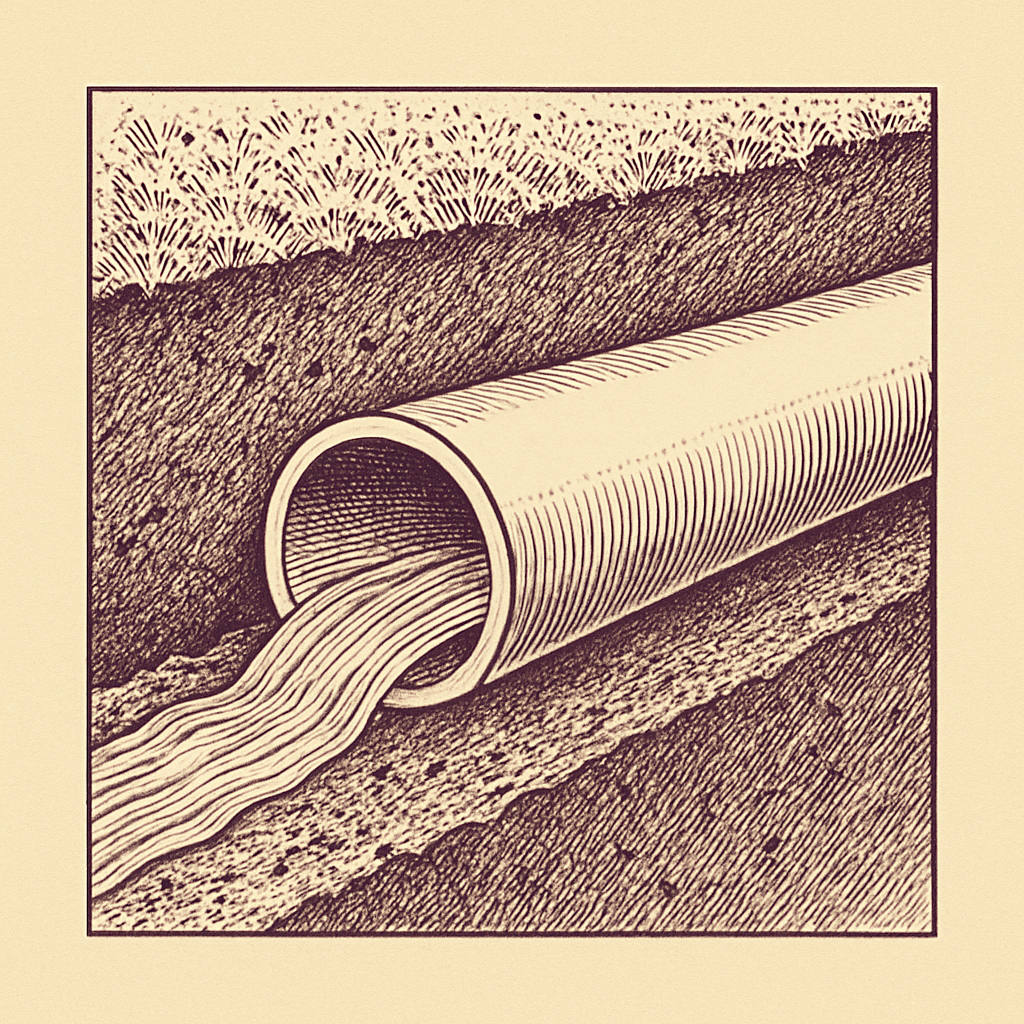 Lined
Lined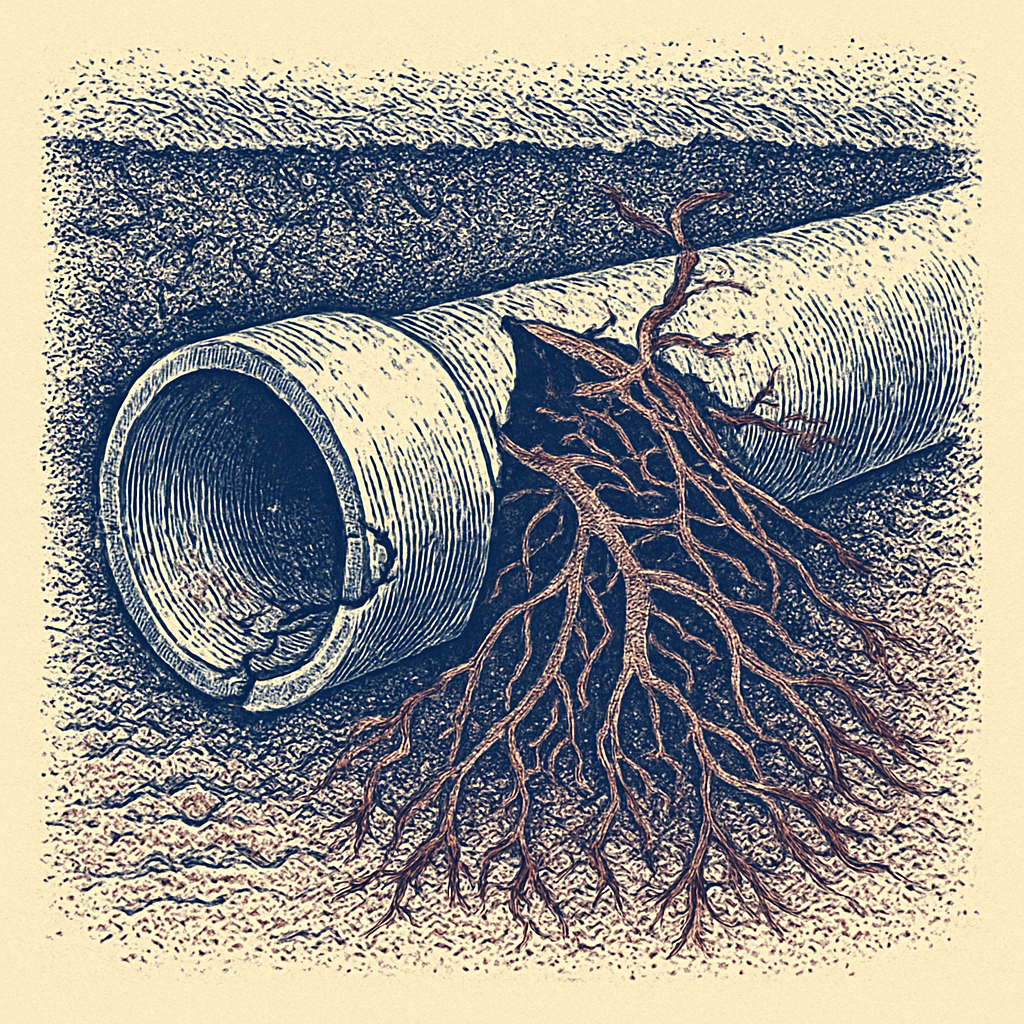 Failing Line
Pipe lining works best when the pipe is properly evaluated first. A sewer line may look like a lining candidate from the surface, but camera inspection can reveal a condition that changes the entire repair plan.
East Coast Pipelines does not treat pipe lining as a blanket recommendation for every sewer line. The line is inspected first.
Camera inspection answers the questions that matter →Traditional sewer replacement often requires digging to expose and replace the damaged pipe. That may still be necessary in some cases. Pipe lining can reduce excavation when the pipe is a good candidate and access is available.
The correct choice depends on the condition of the pipe. East Coast Pipelines explains whether lining, spot repair, cleaning, hydrojetting, excavation, or replacement is the better fit. Many older Greater Boston and South Shore laterals in clay or cast iron are strong candidates when they can be cleaned and prepared correctly.
These symptoms do not always mean lining is required, but they are signs the sewer line should be evaluated.
East Coast Pipelines provides trenchless pipe lining, sewer camera inspection, drain cleaning, hydrojetting, root removal, pipe locating, and sewer repair across Suffolk County, Norfolk County, and nearby Massachusetts communities.
Inspection questions appear above. These cover pipe lining itself.
Cured-in-place pipe lining installs a resin-saturated liner inside the existing sewer pipe. Once it cures, it forms a new interior wall inside the old pipe that can restore flow, seal certain defects, and reduce root entry without digging up the full pipe run.
Pipe lining is a trenchless method installed through an access point such as a cleanout, so it can reduce excavation when the pipe is a good candidate and access is available. Some lines still need spot repair or excavation depending on condition.
The line must be inspected first. Lining depends on access, pipe shape, pipe condition, defect type, depth, diameter, and cleaning results. East Coast Pipelines starts with a sewer camera inspection so the recommendation matches the actual condition of the pipe.
A line may not be a candidate if it is collapsed, severely offset, heavily deformed, back-pitched, inaccessible, or too damaged to clean and prepare correctly. In those cases we explain spot repair, excavation, or replacement options.
Many residential lining jobs are completed in a day when access and pipe condition allow. The line is inspected, cleaned and prepared, lined when appropriate, and then re-checked.
East Coast Pipelines provides trenchless pipe lining from Quincy across Greater Boston and the South Shore, including Boston, Cambridge, Brookline, Newton, Somerville, Braintree, Weymouth, Hingham, and surrounding Suffolk and Norfolk County communities.
Call East Coast Pipelines or request service online. We inspect the line, explain what we see, and outline cleaning or repair options before work moves forward.