Evaluate the Problem
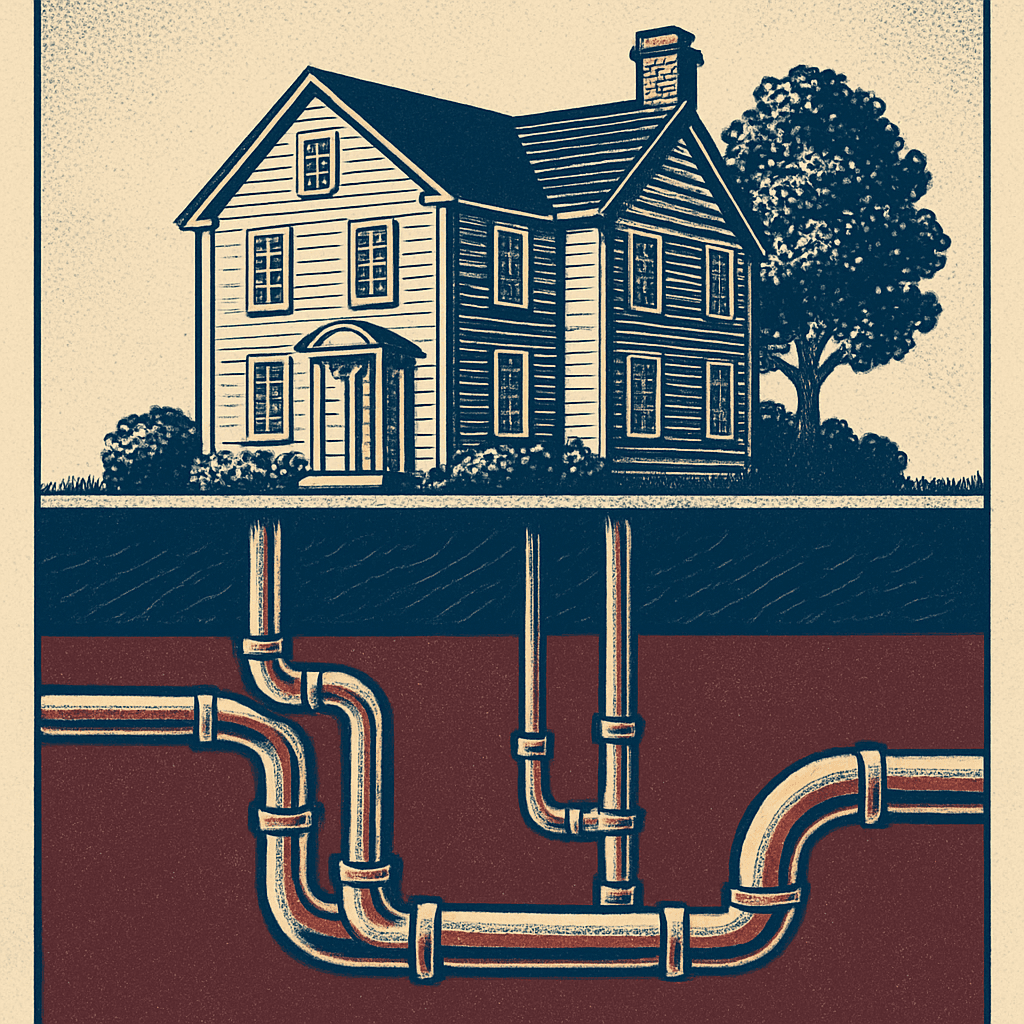
We start by understanding the issue. A single clogged drain is different from a sewer line that backs up repeatedly. Several slow drains, sewage odor, or water coming up through a basement drain may point to a main line problem.
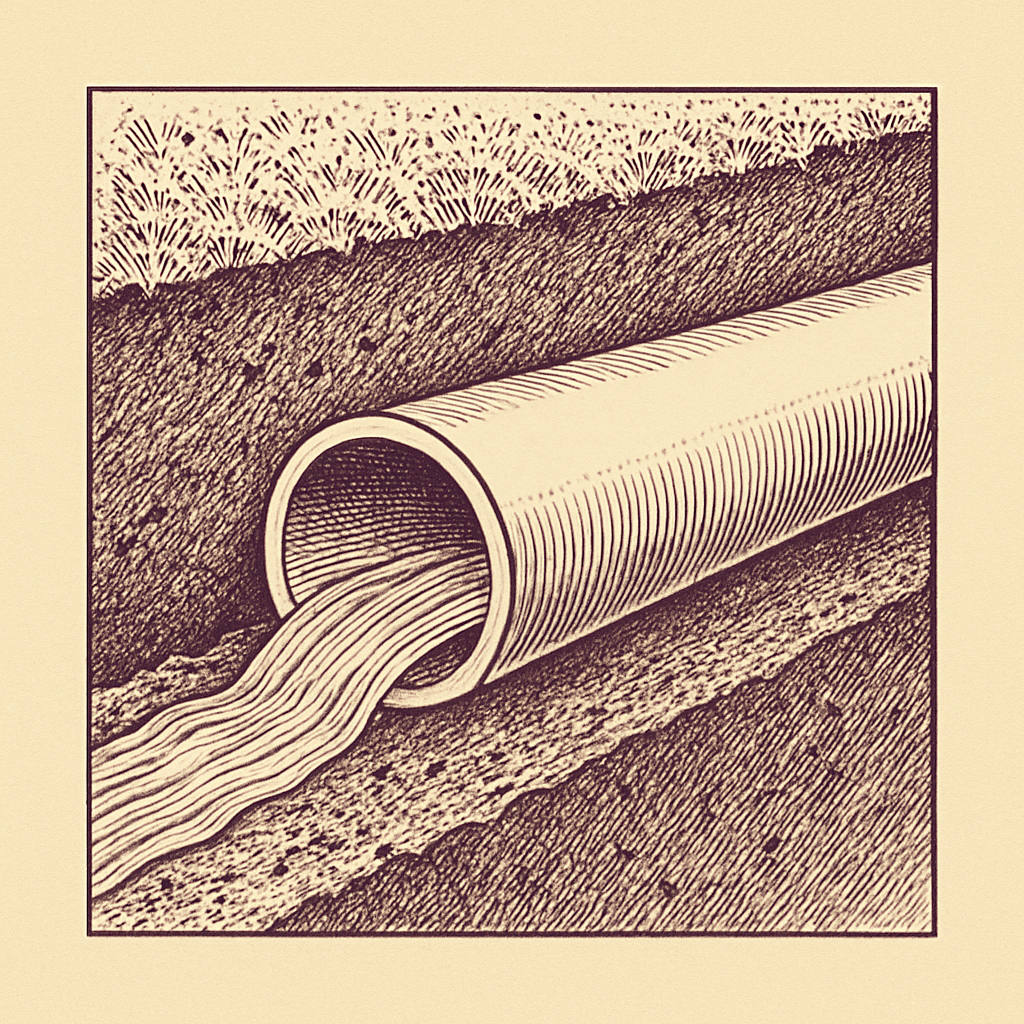
Hydrojetting uses high pressure water to clean grease, sludge, roots, scale, sand, and buildup from the inside of a sewer or drain line. East Coast Pipelines provides sewer hydrojetting for homeowners and property owners across Greater Boston and the South Shore.
Sewer hydrojetting is a pipe cleaning method that uses pressurized water to clean the inside of a sewer or drain line. Basic snaking usually opens a path through a blockage. Hydrojetting is designed to wash the interior pipe wall.
We evaluate the line, clean it with equipment matched to the pipe size and condition, and use camera inspection when needed to confirm what is happening inside the pipe. A clogged sewer line is not always just a clog. Heavy buildup, roots, pipe scale, offsets, low spots, or damaged pipe sections can all cause repeat backups.

The goal is to restore better flow and expose the true condition of the pipe. Once buildup is removed, camera inspection can show whether the line is structurally sound or whether defects are present.
Hydrojetting may restore flow when buildup is the main issue. Inspection helps determine whether cleaning is enough or whether the pipe needs repair.
Hydrojetting is often useful when the pipe is blocked by buildup rather than a collapsed or severely damaged section. If the pipe has structural damage, hydrojetting may improve flow but will not replace the need for repair. East Coast Pipelines explains the difference before recommending the next step.
Hydrojetting cleans the inside of the pipe. It does not rebuild a collapsed pipe, correct severe offsets, fix back-pitch, or replace a section that has failed structurally.
East Coast Pipelines can explain whether the line should be repaired, lined, excavated, or replaced when inspection shows damage beyond buildup.
East Coast Pipelines uses an inspection-first and condition-based approach to hydrojetting.
We start by understanding the issue. A single clogged drain is different from a sewer line that backs up repeatedly. Several slow drains, sewage odor, or water coming up through a basement drain may point to a main line problem.
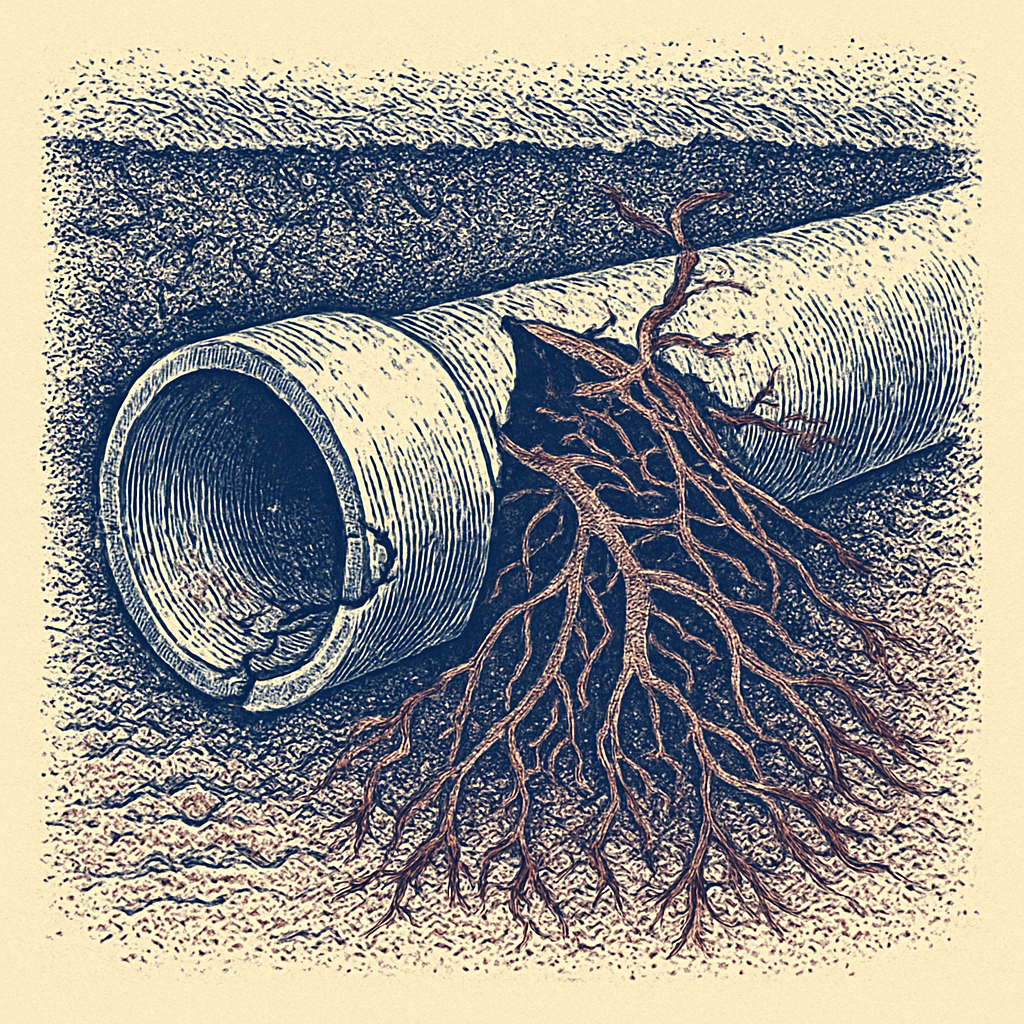
Camera inspection may be used to see pipe condition before hydrojetting. This helps identify roots, buildup, scale, low spots, offsets, cracks, or other defects.
Learn more →If hydrojetting is appropriate, we use equipment matched to the line size, pipe material, access point, blockage type, and observed condition.
High pressure water is used to clean the interior of the sewer or drain line. The goal is to remove buildup and improve flow without guessing at the cause of the problem.
After hydrojetting, the line may be inspected again to confirm cleaning results and identify any pipe damage that was hidden by buildup.
Learn more →See it before you approve it
You understand the condition of the pipe and whether hydrojetting is the right cleaning method before work moves forward.
drag to compare
Hydrojetting can be useful for several common sewer and drain conditions when the pipe condition allows it. Many older properties in Greater Boston and the South Shore have aging laterals made of clay, cast iron, or other older pipe materials that collect scale, roots, sludge, and debris over time.
Cleaned Line
Heavy BuildupGrease and sludge can coat the pipe wall and reduce flow over time. Hydrojetting can wash buildup from the inside of the line when the pipe condition allows it.
Roots can enter through joints, cracks, or openings. Hydrojetting may help clear roots from the line, but root growth can return if the pipe defect remains.
Older pipe can develop interior scale that restricts flow. Hydrojetting may help clean the pipe wall and improve visibility for inspection.
Some lines collect sediment, grit, or debris that standard cleaning may not fully remove. Hydrojetting can help wash material through the line when the pipe has proper flow and condition.
Hydrojetting may be part of the preparation process before cured-in-place pipe lining. The host pipe must be cleaned and prepared before a liner is installed.
A sewer line that is badly cracked, collapsed, severely offset, or deteriorated may need a different repair approach. Hydrojetting should be matched to what inspection shows inside the line.
Inspection also helps confirm whether hydrojetting improved the line or revealed a deeper pipe issue.
Camera inspection answers the questions that matter →Standard drain cleaning is often used to open a clogged line. It may clear the blockage enough for water to move again. In some cases, that is all the line needs.
Hydrojetting uses high pressure water to clean more of the pipe wall. This can be useful when grease, sludge, roots, or scale have built up inside the pipe and are contributing to repeat clogs. A simple clog may only need drain cleaning. A line with heavy buildup may need hydrojetting. A line with roots, cracks, offsets, or deterioration may need cleaning first, then inspection, then repair planning.
These symptoms do not always mean hydrojetting is required. They do mean the line should be evaluated before more money is spent on repeated temporary clearing.
East Coast Pipelines provides sewer hydrojetting, sewer camera inspection, drain cleaning, pipe locating, root removal, pipe lining, and sewer repair across Suffolk County, Norfolk County, and nearby Massachusetts communities.
Inspection questions appear above. These cover sewer hydrojetting itself.
Sewer hydrojetting uses pressurized water to clean the inside of a sewer or drain line. It is designed to wash the interior pipe wall and may remove grease, sludge, scale, roots, sand, and debris that standard snaking may not fully address.
Standard drain cleaning often opens a path through a blockage so water can move again. Hydrojetting uses high pressure water to clean more of the pipe wall when grease, sludge, roots, or scale have built up inside the line.
The host pipe must be cleaned before a cured-in-place liner is installed. Depending on condition, that may involve drain cleaning, root removal, or hydrojetting so the liner is not installed over loose debris or heavy buildup.
Hydrojetting cleans the inside of the pipe. It does not rebuild a collapsed section, correct severe offsets, fix back-pitch, or replace structurally failed pipe. Inspection helps determine whether cleaning is enough or repair is needed.
East Coast Pipelines provides sewer hydrojetting from Quincy across Greater Boston and the South Shore, including Boston, Cambridge, Brookline, Newton, Somerville, Braintree, Weymouth, Hingham, and surrounding Suffolk and Norfolk County communities.
Call when a sewer line keeps backing up, drains slow throughout the home, a clog returns after snaking, camera inspection shows heavy buildup, or a line needs cleaning before lining. East Coast Pipelines evaluates the line before recommending hydrojetting.
Call East Coast Pipelines or request service online. We inspect the line, explain what we see, and outline cleaning or repair options before work moves forward.